

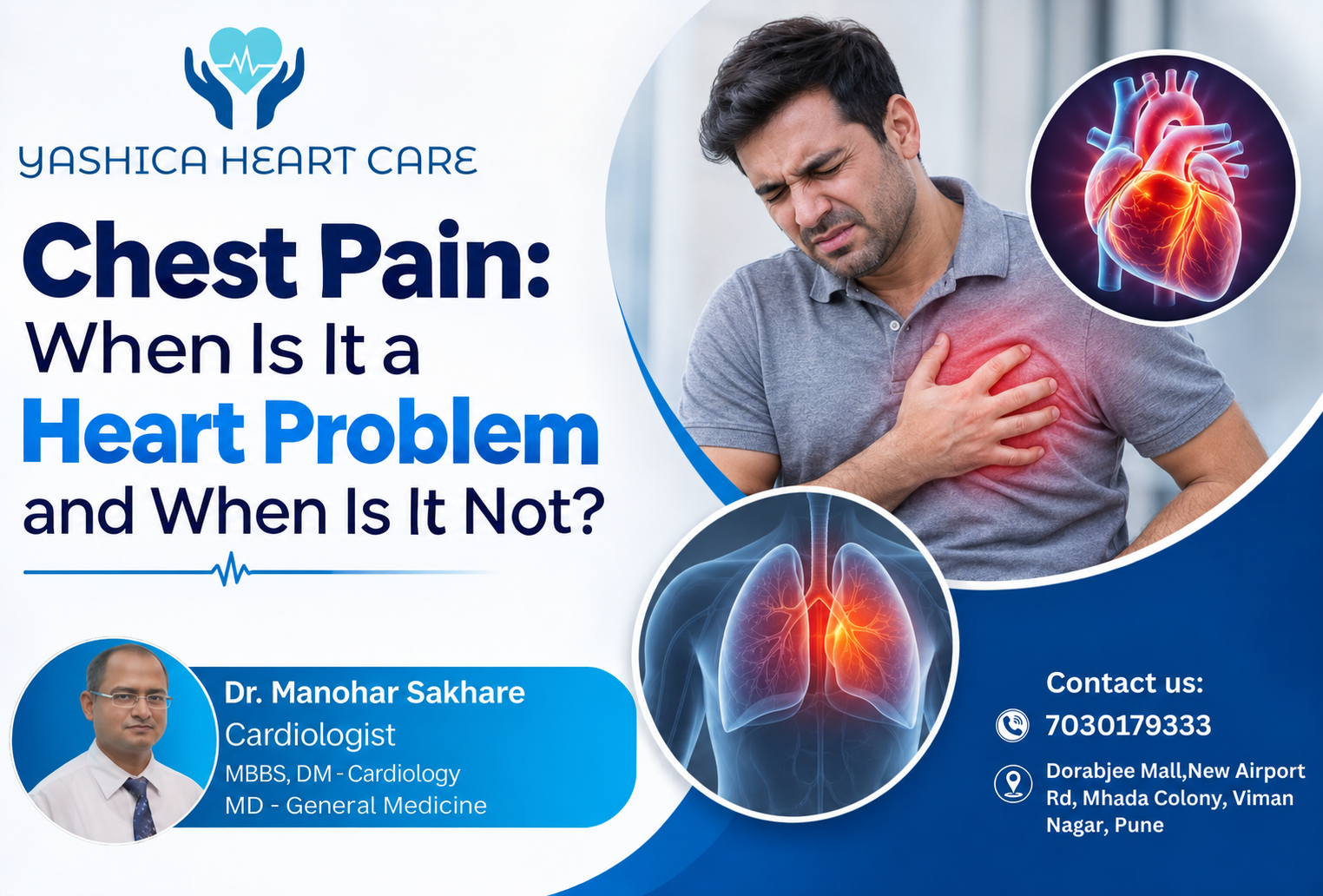


Chest pain can occur for several reasons, ranging from acidity and muscle strain to serious heart conditions. While some causes are minor, others require immediate medical attention. Understanding the nature of the pain, associated symptoms, and risk factors can help you decide when to seek medical care.
If you experience recurring discomfort or unexplained pain in your chest, consulting a doctor for Chest Pain Treatment in Pune can help identify the underlying cause and determine the appropriate treatment. It is important not to ignore new, severe, or persistent chest pain, especially when it occurs with breathlessness, sweating, dizziness, or nausea.
In this article, we explain common causes of chest pain, symptoms that may indicate a heart problem, and situations in which medical evaluation is necessary.
What Does Chest Pain Feel Like?
Chest pain does not feel the same for everyone. Some people experience pressure or tightness, while others describe burning, sharp pain, heaviness, or discomfort that comes and goes.
The location and intensity of pain alone cannot reliably identify its cause. Heart-related discomfort may occur in the centre or left side of the chest, but symptoms can also appear in the arms, back, neck, jaw, or upper abdomen.
Common Heart Pain Symptoms may include:
-
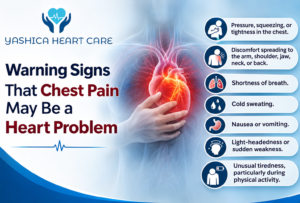
Pressure, squeezing, or tightness in the chest.
-
Discomfort spreading to the arm, shoulder, jaw, neck, or back.
-
Shortness of breath.
-
Cold sweating.
-
Nausea or vomiting.
-
Light-headedness or sudden weakness.
-
Unusual tiredness, particularly during physical activity.
Not everyone experiences all these symptoms. Some people, including older adults and individuals with diabetes, may have less typical symptoms.
When Is Chest Pain a Sign of a Heart Problem?
Heart-related chest pain can develop when the heart muscle does not receive enough oxygen-rich blood or when another cardiac condition affects the heart. Angina and heart attacks are two important possibilities that require medical assessment.
1. Angina
Angina is chest discomfort caused by reduced blood flow to the heart muscle. It may occur during physical activity, emotional stress, or other situations in which the heart needs more oxygen. The discomfort often improves with rest, although symptoms vary.
People with recurring chest discomfort should consult a Cardiologist in Pune for an appropriate assessment. New, worsening, or prolonged chest pain should not be assumed to be ordinary angina.
2. Heart Attack
A heart attack occurs when blood flow to part of the heart muscle becomes severely reduced or blocked. It is a medical emergency that requires immediate treatment.
Possible Heart Attack Warning Signs include chest pressure, pain spreading to the arm or jaw, breathlessness, cold sweating, nausea, or faintness. Symptoms may be mild or severe and can sometimes develop gradually.
If you suspect a heart attack, call India’s emergency number, 112, or seek emergency medical assistance immediately. Do not drive yourself if emergency transport is available.
3. Other Heart Conditions
Chest pain can also occur with inflammation of the sac surrounding the heart, certain heart muscle conditions, or problems involving the aorta. These conditions can have different symptoms and levels of urgency.
A Cardiology Hospital in Pune can coordinate cardiac evaluation when heart disease is suspected. The appropriate setting depends on the severity of symptoms, examination findings, and available emergency services.
When Is Chest Pain Not Related to the Heart?
Many cases of chest pain arise from structures other than the heart. However, symptoms can overlap, so it is not safe to rule out a heart problem based on how the pain feels alone.
1. Acidity and Acid Reflux
Acid reflux occurs when stomach contents flow back into the food pipe. It can cause a burning sensation behind the breastbone, a sour taste in the mouth, or discomfort after meals or when lying down.
These symptoms may resemble cardiac pain. New or unexplained chest discomfort should be assessed rather than automatically attributed to acidity.
2. Muscle Strain
Muscle strain can develop after lifting heavy objects, exercise, sudden movement, or prolonged physical activity. The discomfort may increase when moving the upper body or pressing a specific area of the chest.
Although these features may suggest a musculoskeletal cause, they do not completely exclude a heart problem.
3. Anxiety and Panic Attacks
Anxiety and panic attacks can cause chest tightness, a racing heartbeat, rapid breathing, trembling, and a feeling of fear. These symptoms may resemble a cardiac event.
A first episode of unexplained chest pain, particularly with breathlessness or faintness, requires medical assessment before assuming anxiety is the cause.
4. Lung-Related Conditions
Conditions such as pneumonia, inflammation around the lungs, and pulmonary embolism can cause chest pain. Pain that worsens with breathing may occur with some of these conditions.
Sudden breathlessness, coughing up blood, fainting, or sharp chest pain with difficulty breathing requires urgent medical evaluation.
Common Causes of Chest Pain
Understanding the possible Causes of Chest Pain can help explain why a medical assessment is important. The cause cannot always be identified from symptoms alone.
Possible causes include:
-
Heart-related: Angina, heart attack, inflammation around the heart, or other cardiac conditions.
-
Digestive: Acid reflux, oesophageal irritation, or oesophageal spasm.
-
Musculoskeletal: Chest muscle strain, rib injury, or inflammation around the rib joints.
-
Respiratory: Pneumonia, pleurisy, or a blood clot in the lungs.
-
Psychological: Anxiety or panic attacks.
The characteristics of pain may provide clues, but they are not enough to establish a diagnosis. A doctor considers medical history, risk factors, physical examination, and test results.
People experiencing repeated or unexplained symptoms may need Chest Pain Treatment in Pune following an assessment to determine whether the problem is cardiac or non-cardiac.
How Can You Recognise Heart-Related Chest Pain?
Heart-related discomfort may feel like pressure, heaviness, squeezing, or tightness. It may occur during exercise, walking uphill, emotional stress, or other activities that increase the heart’s workload.
However, heart-related pain can also occur at rest. It may last several minutes, disappear and return, or occur with symptoms such as breathlessness and sweating.
Important Heart Pain Symptoms to watch for include:
-
Discomfort that occurs with physical activity.
-
Pressure or heaviness in the centre of the chest.
-
Pain spreading to the shoulder, arm, jaw, or back.
-
Breathlessness without an obvious explanation.
-
Chest discomfort accompanied by nausea or cold sweating.
These signs do not prove that the heart is responsible, but they warrant appropriate medical attention. Severe, persistent, or sudden symptoms should be treated as an emergency.
Who Is at Higher Risk of Heart-Related Chest Pain?
Certain medical conditions and lifestyle factors increase the likelihood of coronary artery disease and other cardiovascular problems.
Risk factors include:
-
High blood pressure.
-
Diabetes.
-
High cholesterol.
-
Smoking or tobacco use.
-
Excess body weight and physical inactivity.
-
A family history of early heart disease.
-
Increasing age.
-
Previous heart disease or stroke.
People with these risk factors should discuss cardiovascular prevention and appropriate screening with their doctor. However, heart problems can occur even in people without recognised risk factors.
If you have risk factors and develop unexplained chest discomfort, do not delay assessment while trying to determine the cause yourself.
How Is the Cause of Chest Pain Diagnosed?
A doctor evaluates chest pain by considering the symptoms, when they began, how long they last, what triggers them, and whether other symptoms are present.
Depending on the situation, investigations may include:
Electrocardiogram (ECG)
An ECG records the heart’s electrical activity. It can help identify certain heart rhythm abnormalities and signs of a heart attack.
Blood Tests
Blood tests, including cardiac troponin, may be used to detect heart muscle injury. The timing of testing and the need for repeat measurements depend on the clinical situation.
Echocardiography
An echocardiogram uses ultrasound to assess the heart’s structure, pumping function, and movement of its walls.
Additional Cardiac Tests
Depending on the findings, a doctor may recommend stress testing, coronary CT imaging, or coronary angiography. Not every patient requires every test.
A Cardiologist in Pune can help determine which investigations are appropriate when a cardiac cause is suspected. In an emergency, assessment and treatment should not be delayed while arranging a routine appointment.
Treatment Options for Chest Pain
Treatment depends on the underlying diagnosis. There is no single treatment that is appropriate for every type of chest pain.
Treatment for Heart-Related Conditions
Management may include medicines, lifestyle changes, and procedures when indicated. Depending on the diagnosis, treatment may involve medicines for angina, management of blood pressure and cholesterol, or procedures to restore blood flow in blocked coronary arteries.
A heart attack requires urgent hospital-based treatment. The treatment plan depends on the patient’s condition, the location and severity of the blockage, and the time since symptoms began.
Treatment for Non-Cardiac Causes
Treatment may involve acid-reducing medicines for confirmed reflux, appropriate care for muscle strain, or condition-specific treatment for respiratory illness. Anxiety-related symptoms may require psychological support or other treatment after urgent medical causes have been considered.
The best approach to Chest Pain Treatment in Pune is to identify the cause first and then follow a treatment plan based on the diagnosis.
When Should You Seek Emergency Medical Help?
Seek emergency medical assistance if you experience:
-
Sudden, severe, or persistent chest pressure or pain.
-
Chest pain spreading to the arm, back, neck, or jaw.
-
Chest discomfort with breathlessness, cold sweating, nausea, or faintness.
-
Sudden chest pain with severe difficulty breathing.
-
New chest pain accompanied by collapse or loss of consciousness.
These may be Heart Attack Warning Signs or signs of another serious condition. Call 112 in India when an emergency is suspected. Do not wait to see whether the symptoms disappear, and do not attempt to self-diagnose.
For mild but recurring symptoms without emergency warning signs, arrange a timely medical consultation. A doctor can assess whether the symptoms are related to the heart or another organ.
How Can You Reduce Your Risk of Heart Disease?
Healthy habits can help lower the risk of cardiovascular disease, although they cannot eliminate it entirely.
-
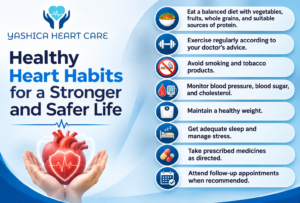
Eat a balanced diet with vegetables, fruits, whole grains, and suitable sources of protein.
-
Exercise regularly according to your doctor’s advice.
-
Avoid smoking and tobacco products.
-
Monitor blood pressure, blood sugar, and cholesterol.
-
Maintain a healthy weight.
-
Get adequate sleep and manage stress.
-
Take prescribed medicines as directed.
-
Attend follow-up appointments when recommended.
People with existing heart disease or significant risk factors should ask their doctor which lifestyle changes and preventive treatments are most suitable for them.
Meet Dr. Manohar Sakhare Patil
Dr. Manohar Sakhare Patil is a cardiology specialist associated with cardiac care in Pune. Patients experiencing recurring chest discomfort or concerns about cardiovascular health should seek a medical assessment to understand the cause of their symptoms and the next steps in care.
A consultation may involve reviewing the patient’s medical history, risk factors, symptoms, and investigation results. The recommended plan will depend on the clinical findings and whether the pain is related to the heart or another condition.
Patients looking for a Cardiology Hospital in Pune should choose a facility appropriate to their symptoms and required level of care. Anyone experiencing possible heart attack symptoms should seek emergency care rather than waiting for a routine consultation.
Frequently Asked Questions
1. How can I tell whether chest pain is related to the heart?
Heart-related chest pain may feel like pressure, tightness, or heaviness and may spread to the arm, jaw, back, or shoulder. Breathlessness, sweating, or nausea can also occur. Symptoms vary, so medical assessment is necessary.
2. Can acidity cause chest pain?
Yes. Acid reflux can cause burning discomfort behind the breastbone, particularly after meals or when lying down. However, heart-related pain can feel similar, so new or unexplained chest pain should not automatically be attributed to acidity.
3. Does chest pain always mean a heart attack?
No. Chest pain can result from digestive, muscular, respiratory, psychological, or cardiac causes. Nevertheless, sudden, severe, persistent, or unexplained pain requires appropriate medical attention.
4. Which tests may be needed for chest pain?
Depending on the symptoms, a doctor may recommend an ECG, cardiac blood tests, echocardiography, or additional investigations. The choice of tests depends on the suspected cause and the urgency of the situation.
5. When should I consult a cardiologist?
Consult a cardiologist for recurring chest discomfort, pain during physical activity, or symptoms associated with cardiovascular risk factors. For severe or potentially heart attack-related symptoms, seek emergency medical assistance immediately rather than waiting for an appointment.
6. Where can I seek help for recurring chest pain in Pune?
People with recurring chest discomfort can arrange an assessment with a qualified cardiac specialist in Pune. If symptoms are severe, sudden, or accompanied by breathlessness, sweating, or faintness, go to an emergency department immediately.
Conclusion – cardiac specialist in Pune
Chest pain can arise from several conditions, including acidity, muscle strain, lung problems, anxiety, angina, and heart attack. Because these conditions may share similar symptoms, the nature of the pain alone cannot reliably identify its cause.
Recognising warning signs and seeking medical care at the right time can help prevent delays in diagnosis. If you experience recurring or unexplained discomfort, consult a qualified doctor for assessment and guidance. If a heart attack is suspected, call 112 and seek emergency treatment immediately.